
Public art for developers
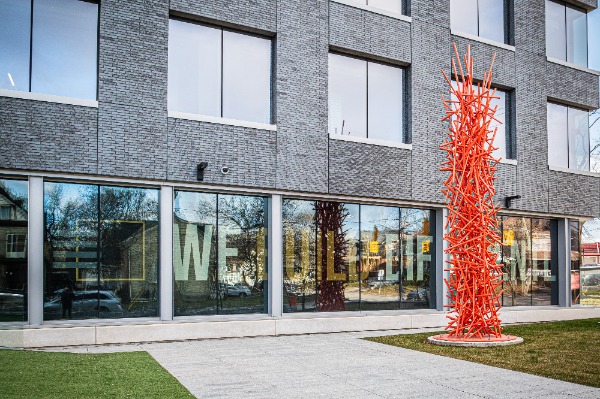
Benefits
Making public art a part of your project will:
- make your property distinctive and easy for customers and clients to recognize
- add value to your property
- generate more activity around your site, which helps prevent crime
- support and inspire cultural connection and professional artist development
Locations
Public art makes sense for:
- major commercial or institutional construction or renovation projects with high profile locations in their neighbourhoods
- projects that feature areas of public space and regular public access
- interior locations like malls or lobbies should be publicly accessible at least eight hours per day
Things to consider

If you're planning on adding public art to your development, please consider:
- permanent artworks that are site specific and relevant to your location
- opportunities for an artist or artist team to work with your architect or designer as early in the design process as possible
- an integrated or functional element (examples: lighting, floor designs, landscape amenities such as benches or fountains)
- a feature such as a significant sculpture, large mural or digital media display
- common guidelines for public art budgets encourage using a calculation at 1% of your hard construction costs for projects over $1 million
Policy
Visit our urban design page for policy information.
Adding public art to a private development is voluntary.
How to participate
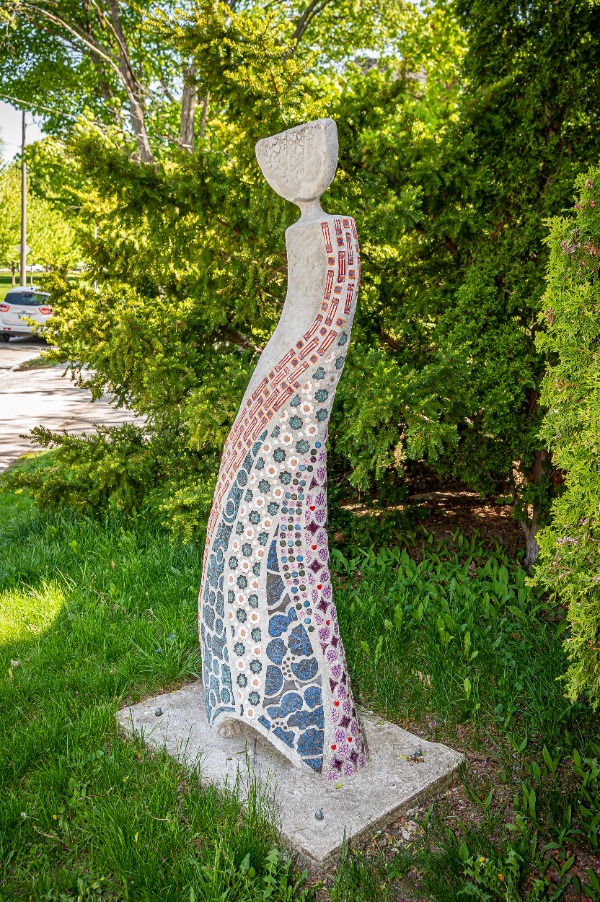
We recommend planning for public art in your development before submitting planning applications.
Many developers work with an architect or designer to create a written public art plan which can include detailed requirements for the design and fabrication of a particular feature, or an open brief for an artist to work with the project architect on any of the building’s design components. The brief also contains a description of the commissioning process, budget details, artist’s designs (if available) and maintenance information.
When commissioning artists, you may want specialist advice to help with creating project briefs, budget and the selection of the artist. Please send us an email if you're looking for advice from our arts and creative industries staff or our Public Art Working Group.
Contact Us
City of Kitchener
200 King Street West,
Kitchener, Ontario
N2G 4G7
Telephone: 519-741-2345
TTY: 1-866-969-9994
Email: info@kitchener.ca